

Rethinking Body Image
A prominent science communicator and author, Professor Swami has extensive experience across television, radio, and print and digital media. He regularly presents at science, literary, and music festivals, and contributes to public-facing organisations. In an exclusive conversation, he spoke to Editor-in-Chief Sayantan Chakravarty about culture, science communication, and why nature may be one of the most powerful tools for transforming how we see ourselves.
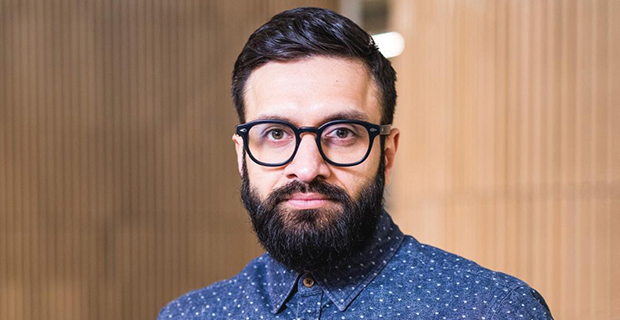
Professor Viren Swami is Professor of Psychology at the Faculty of Science and Engineering at Anglia Ruskin University, U.K., and ranks among the top 2% of the world’s most-cited scientists. He has recently been ranked among the top five researchers globally in body image research by Scholar GPS, which evaluates more than 30 million researchers across over 120,000 institutions using data-driven algorithms to identify exceptional academic impact. For more than two decades, he has explored how appearance shapes human experience.
Your work in body image research has earned you global recognition near the top of your field. What first inspired you to pursue research in body image, and how has your perspective evolved over the years?
When I began conducting empirical research more than 20 years ago, my focus was what some scholars call the “outside view” of appearance, that is, how the way we look influences our lives. I quickly learned that appearance matters, often in complex and consequential ways. Over time, however, I realised that our subjective experience of our appearance is even more psychologically powerful than objective reality. This “inside view,” or body image, has become central to my work. Much of my research now examines how body image is experienced across cultures and communities, with the broader goal of promoting healthier body image among diverse populations worldwide.
Being Sabah-born and now a professor at Anglia Ruskin University, how have your personal and cultural experiences shaped your research interests and approach to psychology?
A significant part of my research explores the diversity of body image, how different communities inhabit and experience their bodies, and how culture shapes those experiences. Growing up in multicultural Sabah instilled in me a deep respect for diversity and a strong commitment to equality. Those early experiences continue to inform both the questions I ask and the way I approach psychological science.
Your recognition is based on lifetime achievements in research. Which of your findings do you feel has had the greatest impact, and why?
More recently, my colleagues and I have shown that spending time in nature can foster more positive body image. The benefits of contact with the natural world are widely recognised, including improvements in mental and physical health. To that list, we can now confidently add enhanced body image across diverse communities. This is significant because it underscores the wide-ranging benefits of nature contact and highlights cost-effective, accessible ways to promote healthier self-perception.
Related News.
-

June 2025 Terror Stand Affirmed
-

February 2025 Envoy Summoned
-

January 2025 AGNI
-

August 2023 NEW SIKH TEMPLE IN LEICESTER OPENS DOORS TO WORSHIPPERS

EDITOR'S DESK, Sep 2026
 Our cover takes us to Volcanoes National Park, where Rwanda recently hosted the 21st Kwita Izina, its annual Gorilla Naming Ceremony. Twenty-two baby mountain gorillas received their names, but the significance of the occasion went far beyond a celebration of wildlife...
more...
Our cover takes us to Volcanoes National Park, where Rwanda recently hosted the 21st Kwita Izina, its annual Gorilla Naming Ceremony. Twenty-two baby mountain gorillas received their names, but the significance of the occasion went far beyond a celebration of wildlife...
more...
Ads Spot


Comments.